Midnight social media curfew proposed for UK teens aged 16 and 17
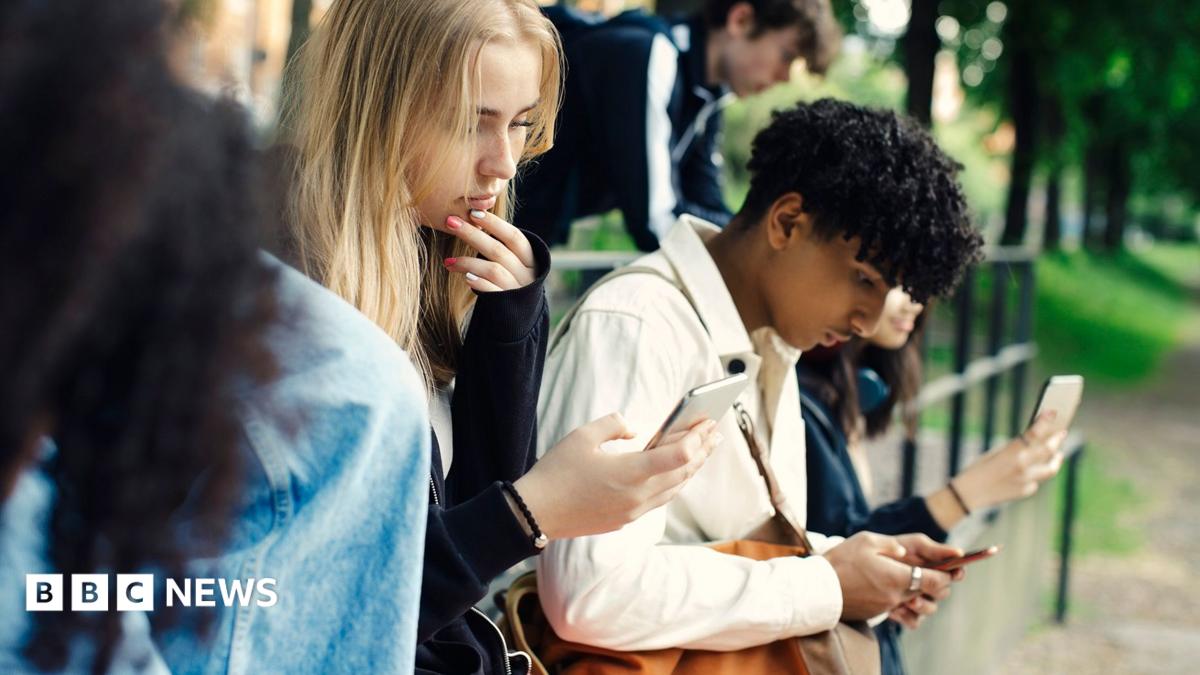
Older teenagers in the UK will face an overnight social media curfew, the government has announced – though they will be able to opt out of it by changing their account settings.
It would mean apps such as Instagram, TikTok and YouTube being set to be unavailable by default to 16 and 17-year-olds between midnight and 06:00.
The government also wants “addictive” features such as auto-play and infinite scroll to be set to be disabled, saying – combined with the curfew – the measures will improve teenagers’ focus, sleep quality and family life.
However, campaigners such as Ellen Roome, who believes her 14-year-old son Jools Sweeney died in an online challenge gone wrong in 2022, does not think the plan goes far enough as teenagers can switch the setting off.
“I just think it’s not good enough really just to have a product you can switch off, it’s a bit like offering a 17-year-old a bottle of alcohol and then moving it slightly out of arms reach, they can just drag it back in, I really wish they could go stronger and harder on these things,” she told BBC Radio 4’s Today programme.
The new plans follow the announcement in June that under-16s in the UK would be banned entirely from a range of platforms.
It’s not yet known where exactly the opt-out button will be. Parents currently have various options to control their child’s screen time through the devices they use, as well as by changing settings on individual apps.
Online safety minister Kanishka Narayan defended the policy on BBC One’s Breakfast programme, saying the combination of the curfew and limiting auto-play features meant that “Britain is already going to be the most robust place in the world when it comes to regulating” tech companies.
Speaking on the Today programme, Alex, who is 17, said while there were questions about whether being able to opt out “defeated the point”, he felt it could still help by reminding young people how long they are spending on social apps.
Meanwhile 17-year-old Confidence, who said she often spent up to six hours a day on social media, said she would prefer to opt out of the curfew – adding if people her age are trusted to make decisions about university, they should be able to control their own screen time.
In an earlier statement, Technology Secretary Liz Kendall said the measures would be “crucial in helping young people get the sleep they need, focus on school and college, and spend more quality time with family and friends, all of which are fundamental to building a happy, healthy and fulfilling adult life”.
“We want young people to enjoy the benefits of technology while having the tools to make the online world a place where they can thrive.”
Laura Trott, the Conservative shadow education secretary, described the plans as a “dog’s dinner”.
“Either they think 16 and 17-year-olds should be on social media or they don’t, but curfews they can simply switch off won’t achieve anything,” she said.
The government said further measures would be aimed at helping children use AI chatbots safely – including by making providers introduce regular breaks for under-18s.
It says it will aim to lay its new proposed measures in front of Parliament by the end of 2026, with the aim that they take effect alongside its social media ban for under-16s next spring.